
Common Name: Miniature viola / Sweet violet (mini varieties)
Scientific Name: Viola spp. (commonly Viola cornuta and related miniature varieties)
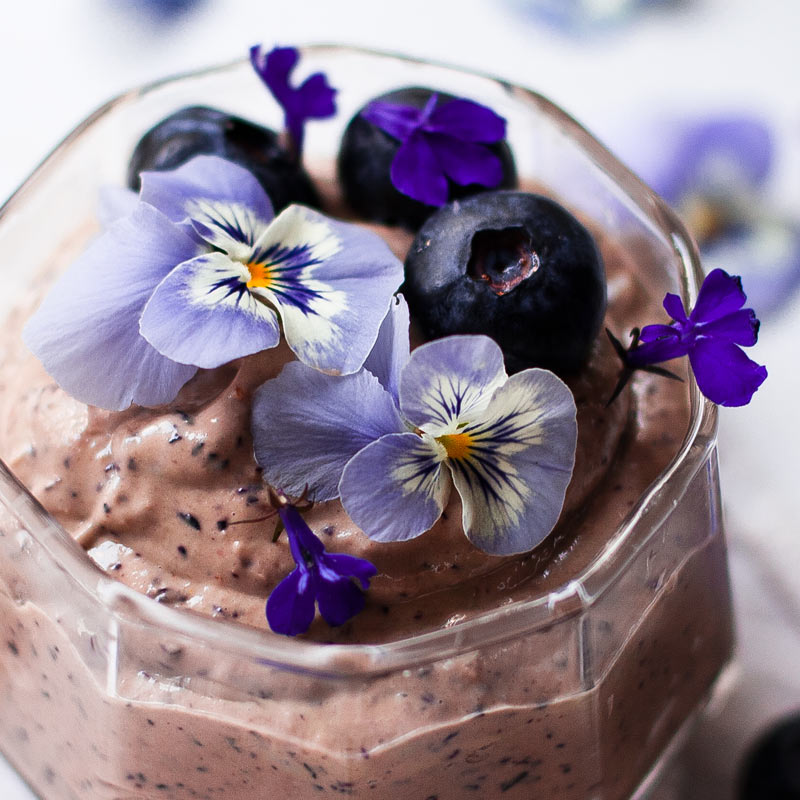
Delicate edible flower used primarily fresh, valued for its soft floral notes, gentle sweetness, and visual delicacy in both sweet and savory dishes.
Flavour Profile
Fresh, green-floral, with a mild sweetness and faint wintergreen notes.
The flavour is gentle and fleeting, more aromatic than assertive, never perfumed or bitter.
Culinary Uses
Preparations:
Used fresh as a finishing flower. Scattered over salads, fruit dishes, chilled desserts, soft cheeses, and spring pastries. They can be pressed into cookies or shortbreads before baking, where they dry delicately and remain visually striking. Also suitable for decorating cakes, floating on cold infusions, or crystallized with sugar.
Pairings:
Pairs well with berries, citrus, vanilla, honey, yogurt, white chocolate, almonds, pistachio, and mild leafy greens.
Kitchen Note:
Violas are chosen mainly for their appearance, as their subtle aroma does not interfere with taste. Add at the last moment to preserve their color and tenderness.
Historical & Cultural Notes
Violas have long been associated with modesty, tenderness, and quiet affection in European garden culture.
They appear frequently in historical still lifes and botanical illustrations, valued for their expressive “faces” and early blooming habit.
The name Viola derives from Latin, rooted in the Greek íon, used in antiquity for small spring flowers gathered close to the ground.
Sensory Profile
Sight: Small, expressive flowers with soft markings and velvety petals.
Touch: Tender and supple when fresh; lightly papery once dried or baked.
Smell: Subtle, green-floral with faint sweetness.
Taste: Very mild, clean, and slightly grassy floral.
Botanical Note
Within the Viola genus, miniature varieties include both cultivated hybrids and selections bred for compact growth. Compared to large garden pansies (Viola × wittrockiana), they offer lighter petals, subtler markings, and a gentler presence on the plate—qualities that make them especially suited to culinary decoration.
Fun Fact
Violas often bloom during cooler months when few other edible flowers are available, making them a quiet staple of early-season kitchens and gardens.