
Common Name: Lobelia
Scientific Name: Lobelia spp. (ornamental species; commonly Lobelia erinus)
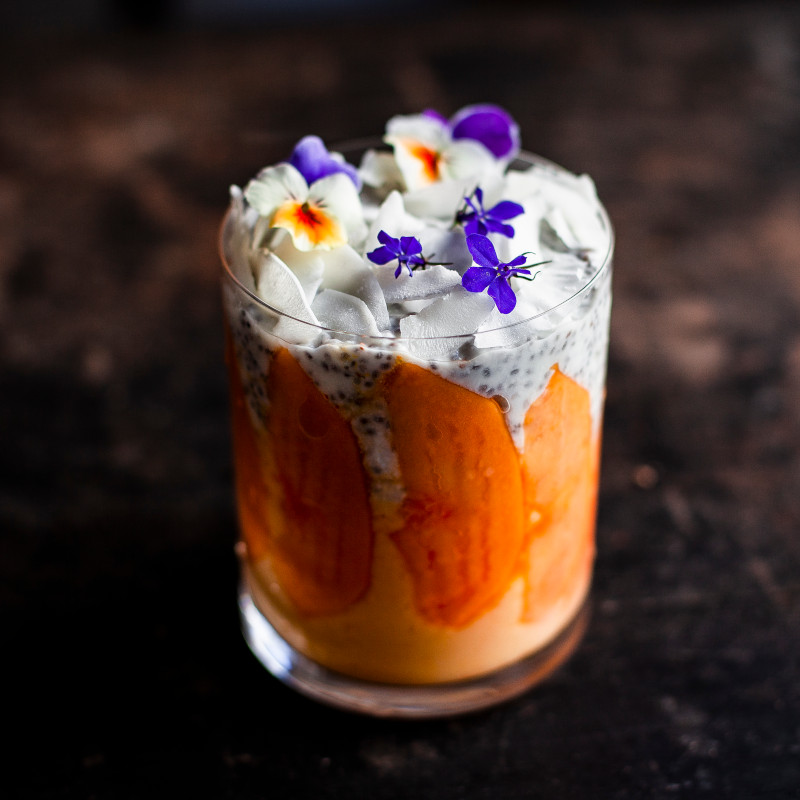
Mild, nearly neutral edible flower used fresh primarily for visual detail, contributing minimal aroma or flavor and serving more as a decorative element than a sensory one.
Flavor Profile
Extremely mild and neutral, with a faint green note.
Lobelia contributes little aroma or flavor, functioning primarily as a visual element rather than a sensory one.
Culinary Uses
Preparations:
When used in food contexts, lobelia appears in very small amounts and only as a finishing touch. Fresh flowers may be placed on cold desserts, fruit compositions, or styled plates where color is the central intention. It is not suited to infusions, heating, or extended contact with food.
Pairings:
Chosen for contrast rather than taste. Pale creams, citrus, berries, fresh cheeses, and light pastries allow its blue tone to remain clear and distinct.
Kitchen Note:
Lobelia’s role in the kitchen is decorative and occasional. Its value lies in brief visual presence rather than in flavor or volume.
Caution
Lobelia flowers contain naturally occurring alkaloids. Culinary use, where referenced, is limited and occasional. They are not recommended during pregnancy or breastfeeding, and should not be consumed regularly or in quantity.
Historical & Cultural Notes
The genus Lobelia includes hundreds of species native to the Americas, Africa, and parts of Europe.
While certain species have long-standing roles in traditional herbal systems, lobelia has not historically belonged to everyday culinary traditions. When referenced in food-related contexts, it was used with extreme restraint in traditional settings, more often for its historical and medicinal associations than for regular culinary use.
Its modern appearance in food styling and contemporary gastronomy is recent and largely aesthetic, valued more for visual presence than for flavor or aroma.
Sensory Profile
Sight: Small, vivid blue blooms with an almost ink-like intensity.
Touch: Fine and fragile petals that soften quickly once picked.
Smell: Neutral to barely perceptible.
Taste: Very light, vegetal, and fleeting.
Botanical Note
The Lobelia genus contains both edible and non-edible species. Ornamental varieties such as Lobelia erinus are those occasionally referenced in decorative culinary contexts, always used sparingly and with attention.
Fun Fact
Many Lobelia flowers appear almost electric blue in natural light, a visual intensity that feels brighter than their actual pigment concentration would suggest.