Common Name: Lavender
Scientific Name: Lavandula spp. (primarily Lavandula angustifolia, also L. x intermedia, L. latifolia)
Flavor Profile
Lavender is intensely aromatic, floral, and slightly sweet, with herbal and camphorous undertones.
In small amounts, it feels elegant and calming; when overused, it quickly becomes sharp, resinous, and soapy.
Culinary Uses
Preparations:
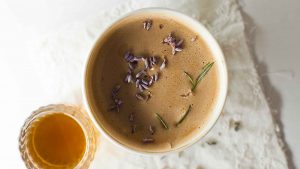
Most often used dried or lightly fresh in infusions, syrups, sugars, shortbread, custards, honey blends, and delicate desserts. It can also appear in savory contexts when balanced carefully.
Pairings:
Pairs well with lemon, honey, vanilla, berries, pear, stone fruits, almonds, white chocolate, milk, and mild cheeses. In savory dishes, it works with lamb, citrus, and gentle herbs.
Kitchen Note:
Lavender rewards restraint. Use buds rather than stems, and infuse briefly to preserve floral clarity without bitterness.
Historical & Cultural Notes
Lavender has been cultivated for centuries across the Mediterranean for fragrance, household uses, and culinary preparations.
Its name comes from the medieval Latin lavare—“to wash”—reflecting its long association with cleanliness, freshness, and domestic rituals.
In food traditions, lavender was always used sparingly to perfume sweets, waters, and preserved foods.
Sensory Profile
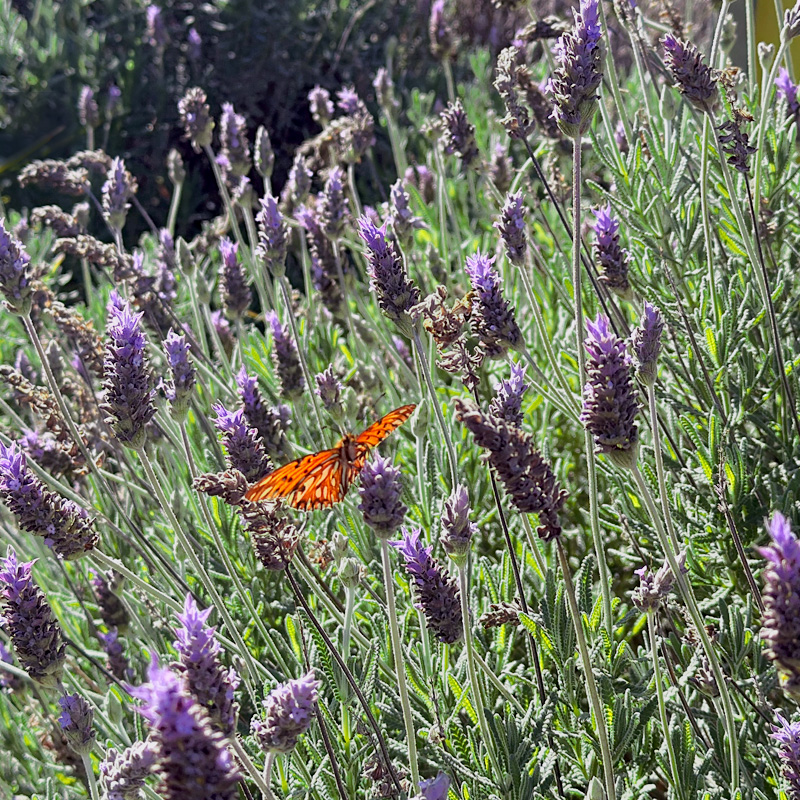
Sight: Slender flowering spikes with small clustered blossoms, airy and structural
Touch: Dry, slightly woody stems with fine, papery buds
Smell: Floral, herbal, clean, and penetrating
Taste: Floral and lightly sweet, followed by a dry, herbal finish
Botanical Note
Among edible lavenders, Lavandula angustifolia (often called English lavender) is preferred for culinary use due to its softer, sweeter aroma.
Hybrid varieties (L. x intermedia) and spike lavender (L. latifolia) contain higher camphor notes and are more commonly used for production of essential oils than food.
Fun Fact
Lavender’s aroma becomes stronger once dried, which is why many traditional recipes rely on dried buds rather than fresh flowers.