
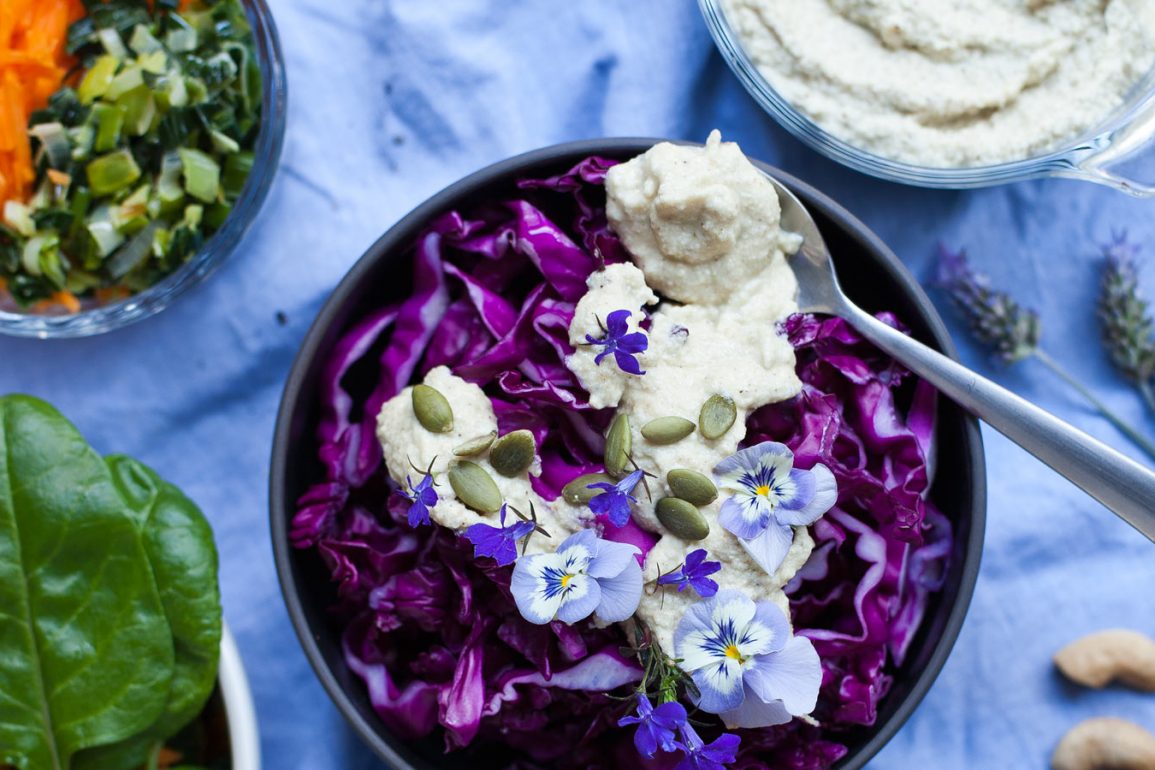
There’s a certain kind of magic that begins before the cooking.
It happens in gardens, along hedgerows, in morning markets still glistening with dew. It begins in the moment you ask the world for something beautiful you can eat.
Edible flowers are not like flour or salt: they don’t sit quietly on grocery shelves waiting to be chosen. They grow with personality, with season, with place. To find them, you must become part of their rhythm.
Here is how.
1. Farmers’ markets and small growers
Start early, walk slowly.
Markets are where food still comes with conversation, and small growers often bring flowers picked just hours before. Ask them what’s edible. Ask how they grow them. You might receive a bouquet of calendula with a tip for steeping it in oil, or a paper bag of wild violets and a story about the grandmother who used to sugar them.
Best for: Fresh, seasonal, local varieties with a personal touch
When: Spring through early fall
Tip from personal experience: Go early (flowers sell fast)
2. Your own garden (or balcony, or windowsill)
Nothing compares to growing your own.
Snipping a nasturtium just as it opens, or rubbing lavender between your fingers before it goes into honey — it’s simple, immediate and deeply satisfying. If you have light and a pot, you’re in. Calendula, borage, violas, chive blossoms: they’re generous and forgiving, even in small spaces.
Best for: Maximum freshness, personal connection
Bonus: You know exactly what’s been sprayed (or not)
Tip from personal experience: Start small, with 2-5 varieties and keep a seasonal log
3. Specialty organic stores or herbalists
Look past the produce section.
Apothecaries, tea shops, and herbal stores often carry dried petals — rose, hibiscus, chamomile — sold for tea but perfect for baking, infusions, or finishing salts. These flowers have lost their moisture but not their poetry. A pinch of dried jasmine still knows how to flirt.
Best for: Dried petals, hard-to-find or out-of-season blooms
Use in: Oils, salts, teas, vinegars, bath rituals
Tip: Choose organic and food-grade (not for potpourri)
4. Online ethical growers
There are farms that ship beauty. From edible flower farms in California to heirloom herb nurseries in the UK, some growers deliver fresh blooms overnight or carefully dried petals by mail. Look for organic certification and seasonal availability. Order just enough. Don’t stockpile- savor.
5. Foraging in nature
There is a quiet thrill in stepping off the path and into the wild.
Among dappled shadows and the soft hum of insects, you might find elderflowers trembling in the breeze, violets hiding near the roots of trees, or dandelions opening their gold to the sun. These are not cultivated blooms- they belong to no one and everyone. To forage is to listen, to walk slowly, and to remember that beauty, too, has its boundaries.
It is a practice that requires humility, knowledge, and respect: know what you are picking, take only what is abundant and leave enough for bees, for the wind, for next season’s bloom.
Best for: Deep connection to place; rare and seasonal finds like wild rose, wood sorrel, or elderflower
Bonus: You begin to see differently – learning the names, cycles, and voices of the plants around you
Tip: Use a local guidebook or foraging app (or even take a foraging class)
Want to experience the wild side of edible flowers? Step into nature’s hidden pantry – where blooms grow free, fragrant, and full of wonder. Learn all the basics to start foraging here.
What not to do
- Don’t pick from roadsides, city parks, or unknown gardens
- Never use florist flowers- most are treated with chemicals
- Don’t assume every bloom is edible, there is a wide variety of toxic flowers that look like edible ones (research first)
- Don’t refrigerate wet flowers- let them breathe
One last (but not least important) thing:
Before you pick, take a second.
Think about what you’ll make, when you’ll use it, who you’ll cook for. Edible flowers don’t like being saved “for later” — they shine in the moment.
Because their real charm isn’t just how they look on a plate, but how they quietly change the way you shop, cook, and pay attention to small, beautiful things.