
Infusing edible flowers is less about technique than about choice. The same blossom behaves very differently depending on what receives it. Water lifts aroma quickly but lets it fade, sugar preserves brightness, fat deepens and rounds while alcohol remembers almost everything.
Understanding infusion mediums is not about learning recipes, but about learning how flowers travel—what they give, what they hold back, and what they leave behind. Before deciding how to use a flower, it helps to ask a simpler question: what part of it matters most here—fragrance, flavor, color, or persistence?
This article introduces the main carriers used in floral infusions and how each one interacts with petals. Think of it as a map rather than a method. Once you understand how a medium listens to a flower, choosing the right one becomes intuitive.
Why the Infusion Medium Changes Everything
Long before infusion became a culinary technique, it was a practical response to seasonality and fragility. Flowers bloom briefly. Their aroma fades quickly. Mediums—water, fat, sugar, alcohol—offered different ways to extend what would otherwise disappear.
Over time, these methods became codified. Not as recipes, but as patterns: certain mediums hold fragrance better, others preserve color, others soften or intensify flavor. Understanding these patterns allows you to work with flowers intentionally, rather than by trial alone.
(If you’re curious about how these practices developed across cultures, this is explored further in [Between Alchemy and Preservation: How Humans Learned to Capture a Flower].)*
Types of Floral Infusions
Floral Waters & Syrups: Liquid Mediums
Floral Waters
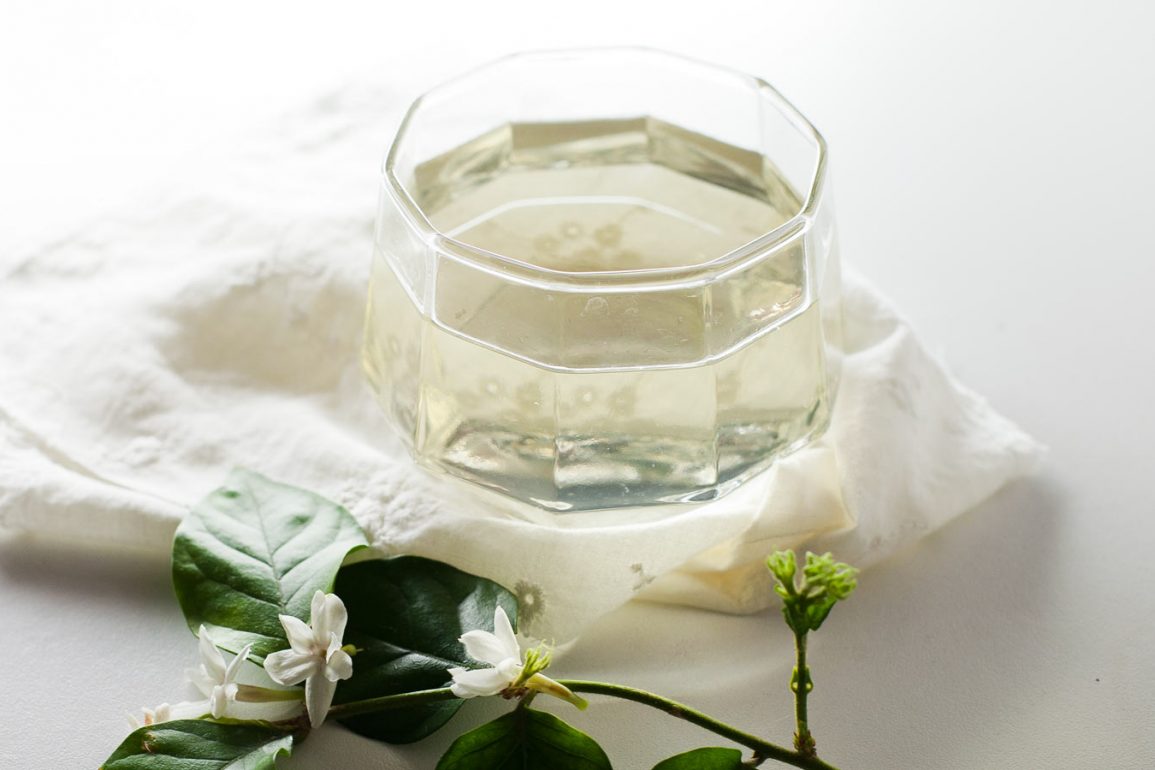
When flowers meet pure water, the result can be as delicate as a morning dew. Rose water, orange blossom water, or even a simple cold infusion of petals capture a gentler essence than teas — subtle, refreshing, and versatile. These waters bring fragrance to pastries, cocktails, or even a cool glass on a summer afternoon.
Best for: rose, orange blossom, lavender
Perfect for pastries, cocktails, refreshing drinks, and light desserts.
Floral Tea Blends
Where floral waters are sheer light, tea blends are warmth and body. Dried petals steeped with herbs like chamomile or lavender release not just perfume but depth — color, tannin, comfort. A cup of tea is less like dew, more like an embrace: fragrant, steady, grounding. It carries the memory of gardens through every season, a ritual of slowness in porcelain or clay.
Best for: chamomile, rose, lavender, elderflower
Ideal for calming evening brews, refreshing afternoon blends, and gentle detox tea
Floral Syrups: Liquid Poetry for the Palate
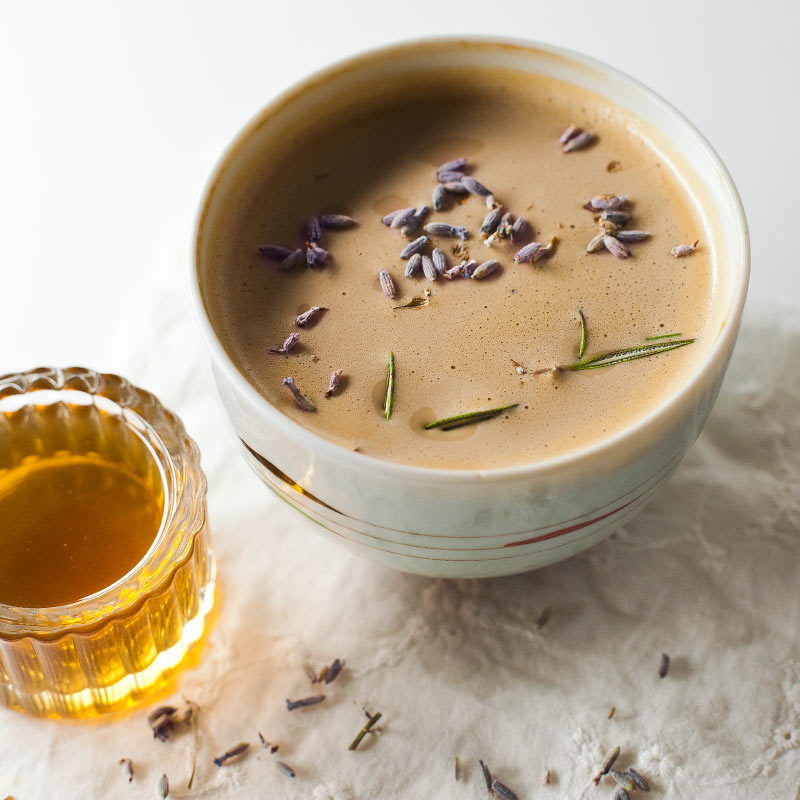
Lavender fields at twilight, elderflower blooming under a pale sun, hibiscus petals flushed like summer skies—all these can become syrupy songs of sweetness.
Simmer flowers slowly with sugar and water, coaxing out their essence until the syrup gleams like captured light. Drizzle it over fresh fruit, stir it into cocktails that sparkle with sunset hues, or swirl it into your morning coffee to awaken the senses. Each drop is a sweet invitation to wander through a garden at dusk.
Best for: lavender, elderflower, rose, hibiscus
Use in teas, cocktails, cakes, or simply drizzled on fruit.
LEARN HOW TO MAKE LAVENDER SYRUP FOR COCKTAILS AND COFFEE
Vinegars & Honeys: Tangy Sweet Carriers
Flavored Vinegars
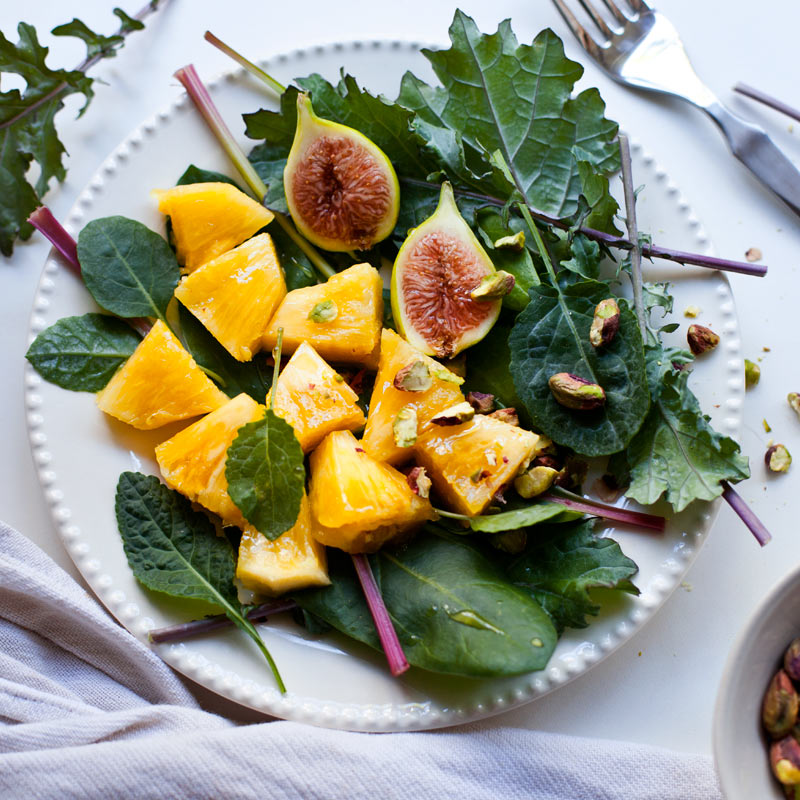
Chive blossoms, nasturtium’s peppery glow, thyme flowers kissed by the sun—these bright petals awaken vinegars into something wild and fresh.
Infuse them for weeks in a quiet jar, letting the flavors meld and intensify. A splash of this floral vinegar turns ordinary salad dressings into verdant celebrations and marinades into fragrant love letters from the earth. It’s the sharp, vibrant heartbeat of the garden in a bottle.
Best for: chive blossoms, nasturtium, thyme flowers
Gorgeous for salad dressings or marinades.
Infused Honey
Honey, golden and thick as summer sunshine, carries its own ancient sweetness. When infused with rose petals, thyme flowers, dandelions, or violets, each spoonful becomes a memory—soft, floral, and lingering.
A drizzle of this honey is the kiss of a secret garden at dawn, a quiet ritual of sweetness that warms tea or whispers to warm bread and soft cheese.
Best for: rose, thyme flowers, dandelion, violets
Each spoonful becomes a memory.
Oils & Butters: Fat-based Mediums
Infused Oils
Imagine sunlight caught in liquid gold — petals slowly unfurling their warmth and fragrance into a silky oil. This golden elixir carries the whisper of meadows and summer afternoons, holding an edible perfume pressed from the garden’s soul. Use it to dress a simple salad, drizzle over roasted vegetables, or as a fragrant base for skin rituals that soothe and nourish. Each drop is a quiet moment of nature’s poetry, captured in oil.
Best for: calendula, lavender, rose, chamomile, elderflower
Ideal for dressings, marinades, finishing oils, and skincare rituals.
Floral Butters
Soft butter blended with petals becomes a creamy celebration of the garden’s bloom. Imagine spreading lavender butter on warm bread, or a hint of violet-infused butter melting over steamed vegetables — each bite a gentle caress, a taste of wildflower fields at dawn.
Best for: lavender, violet, rose
Perfect for breakfast spreads, vegetable finishes, and delicate desserts.
Infused Milk & Cream
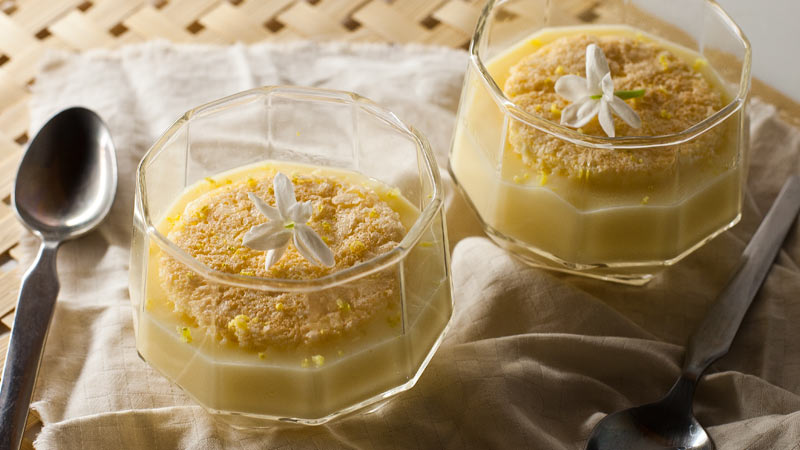
Some flowers are made for silk and cream, for velvet softness that melts on the tongue. Jasmine, orange blossom, and rose—these petals, kissed by dawn, lend their tender fragrance to milk, transforming it into a lullaby of sweetness.
Infuse the petals gently, let the milk steep as if cradling a secret dream. This is the heart of decadent custards and creams—like the jasmine custard, where the floral scent becomes a night song, delicate and haunting. Serve it in a crystal bowl, crowned with a few fresh petals, and time will soften around you.
Best for: jasmine, orange blossom, rose
Ideal for decadent desserts.
Try this Jasmine Custard recipe — a dessert where the night softly unfolds into flavor.
Sugars & Salts: Solid carriers
Floral Salt
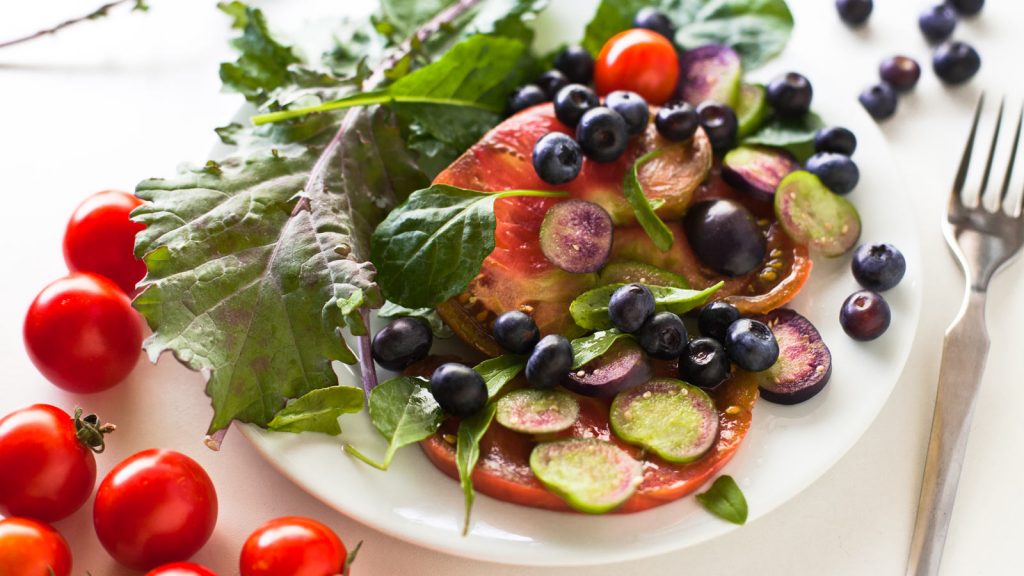
Coarse salt mingled with dried rose, lavender or calendula petals becomes a seasoning that transforms the ordinary into the extraordinary. A pinch brings floral whispers to grilled fish, fresh heirloom tomatoes, or buttery corn, lending dishes the subtle magic of a secret garden.
Best for: rose, calendula, lavender
Ideal for seasoning meats, salads, and baked goods.
Infused Sugar
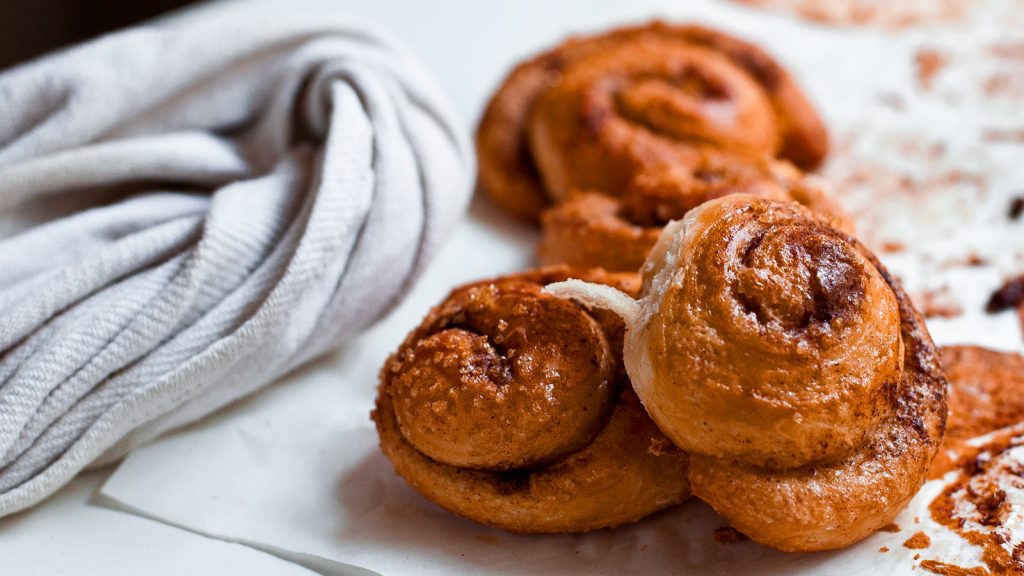
Flowers leave their mark not only in fragrance but in brightness—captured in the sparkle of sugar. When petals meet crystals, they trade whispers: aroma, hue, a faint taste that lingers like a ghost of spring. Lavender, rose, or violet folded into sugar become more than sweetness—they become a way of bottling the meadow. Sprinkle it over shortbread, stir it into tea, or let it melt in a cake batter, carrying with it the quiet bloom of a garden morning
Best for: lavender, rose, violet, chamomile
Ideal for: teas, shortbreads, cake batters, rimmed cocktail glasses
Spirits & Liqueurs: Alcohol-based Mediums
Floral Spirits
Macerate petals with spices and clear spirits to craft liqueurs and bitters that tell stories in every sip. Elderflower gin, rose petal vodka, or lavender bitters become liquid poems — perfect for cocktails that linger long after the last drop, like a garden’s secret whispered at twilight. Pour it over crushed ice, stir with fresh herbs, or sip slowly beside a window where night blooms rise.
Best for: elderflower, rose, lavender
Ideal for cocktails, liqueurs, and aromatic bitters.
Floral Liqueurs
Some flowers are meant for fire and amber, for the slow warmth of spirits that carry their perfume deep into the night. Rose, violet, and elderflower dissolve into sweetness, turning alcohol into liquid silk, into memory. Each sip is both a caress and a spell, a bloom unfolding on the tongue. These liqueurs belong to candlelight and glass, to quiet conversations that last longer than the hour. Infuse the petals patiently—let them rest, let them dream in sugar and spirit—until their fragrance becomes a golden whisper you can drink.
Best for: rose, violet, elderflower
Ideal for: cocktails, digestifs, celebratory toasts
Which infusing method captures a flower best?
There is no single answer. It depends on several factors:
- the volatility of the flower’s aroma
- whether you want fragrance, flavor, color—or all three
- the freshness or dryness of the petals
- temperature and infusion time
- and the medium’s ability to hold or release scent
Choosing a medium, then, is less about correctness than about priorities.
If your goal is maximum aroma, alcohol or fat will carry it furthest. If what you need is immediacy, water is often enough—knowing it will fade. Sugar and salt sit in between: stable and forgiving. Each option gives something, and each one takes something away.
This is why working with flowers rewards comparison. The same blossom infused in different mediums will not behave the same way twice. One will emphasize fragrance, another flavor, another color or softness. None are wrong; they are simply translations.
Have you already tried one of these methods?
Or is there a flower you’ve been waiting to infuse, just to see what it becomes?
Try working with the same flower across several mediums, at the same moment in time. Take notes. Pay attention to what lingers, what disappears, and what surprises you. That contrast—more than any recipe—is where understanding begins.
Which one works best for you depends on what you want to keep.
Have you already tried one of these methods?
Or is there a flower you’ve been waiting to infuse, just to see what it becomes? Try infusing it in several mediums and take notes on how it behaves each time.