
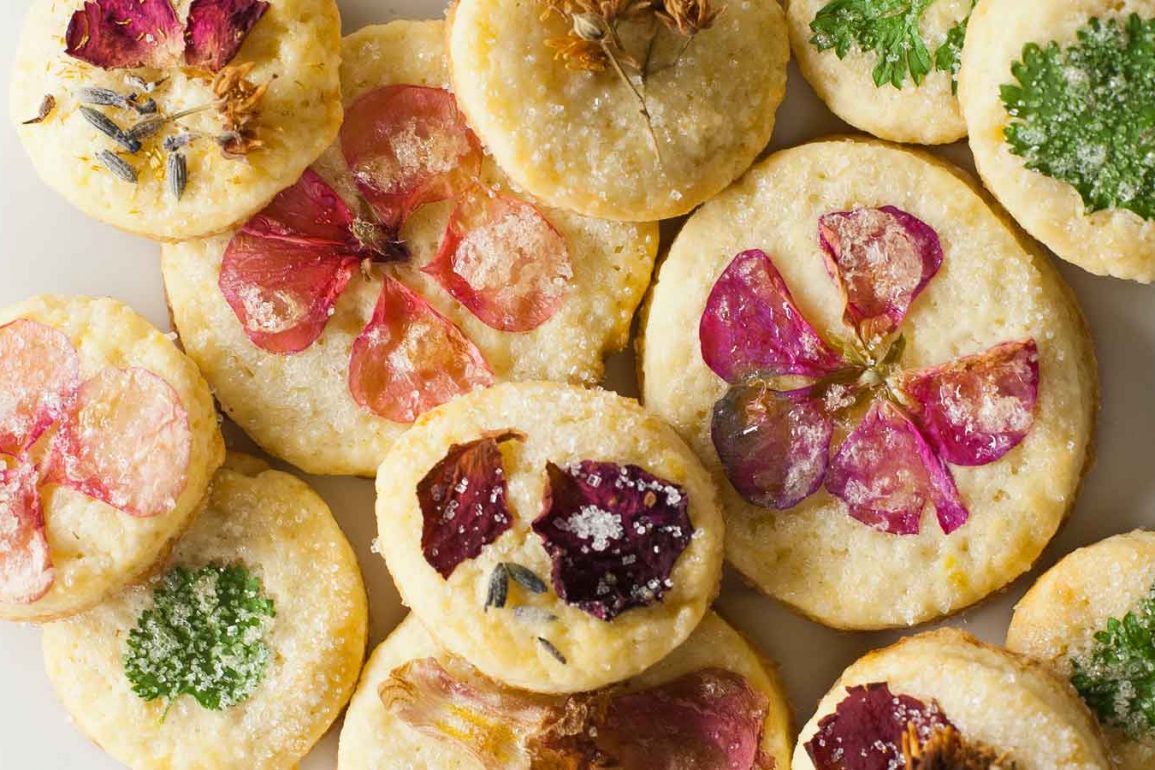
Colour is often the first thing an edible flower offers the kitchen. Before aroma or flavour, it sets expectation — freshness, intensity, restraint, or warmth. In cooking, colour is functional: pigments react to heat, acidity, fat, and time, shaping how a flower behaves once it reaches the plate.
This series groups edible flowers by colour to make those behaviours legible. Each chapter focuses on a colour family and its practical use, offering a clear reference for how flowers perform in real culinary contexts.
Blue edible flowers
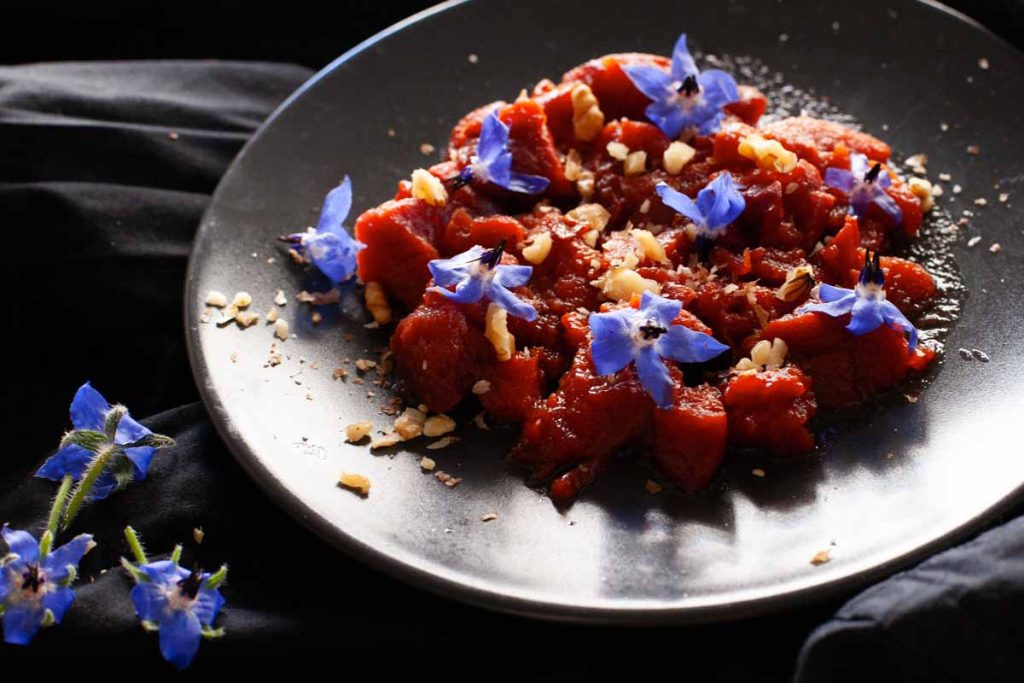
Rare, delicate, and often reactive to pH — best introduced late, or used where heat plays a minor role.
Blue edible flowers change with cooking rather than disappearing. Their pigments tend to soften or shift with heat, moving toward washed, muted tones instead of holding a vivid blue. In baked or cooked preparations, traces of colour may remain, lending a subtle, atmospheric presence rather than a sharp visual contrast. They perform especially well in cold preparations or when added at the final stage, where colour suggests freshness without insisting on it.
Purple edible flowers
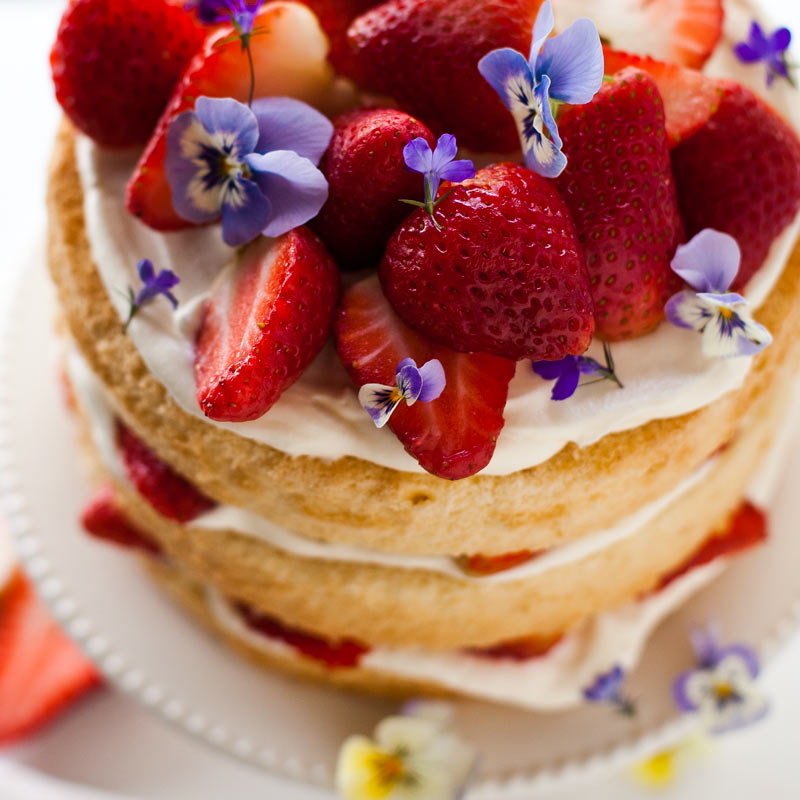
Deep-toned, more stable, and well suited to sweets and dairy.
Purple edible flowers hold their colour more reliably through sugar, fat, and gentle heat, making them adaptable across creams, syrups, baked goods, and desserts. Their pigments tend to deepen rather than fade, settling into plum and wine tones that feel integrated rather than decorative, especially in preparations where colour and aroma are meant to linger.
Pink edible flowers
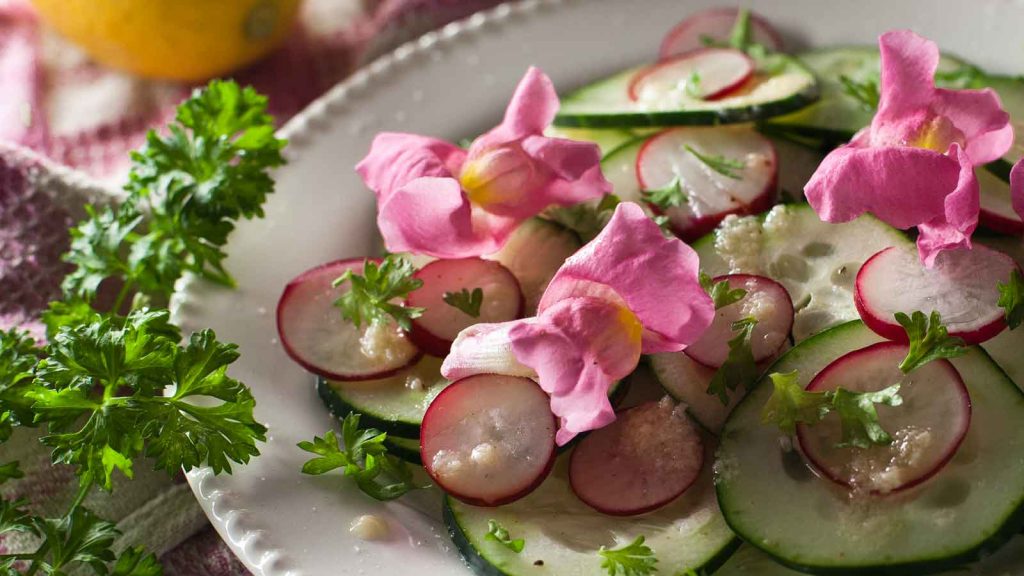
Light, aromatic, and pigment-fragile — best used fresh or with minimal heat.
Pink edible flowers are defined by delicacy. Their lighter pigments tend to fade or pale quickly with heat, losing intensity rather than shifting tone. For this reason, they are best used fresh, in cold preparations, or added at the very end, where colour reads as a soft accent rather than a focal point. Their role is suggestive, lending sweetness and floral aroma without visual weight.
Red & crimson edible flowers
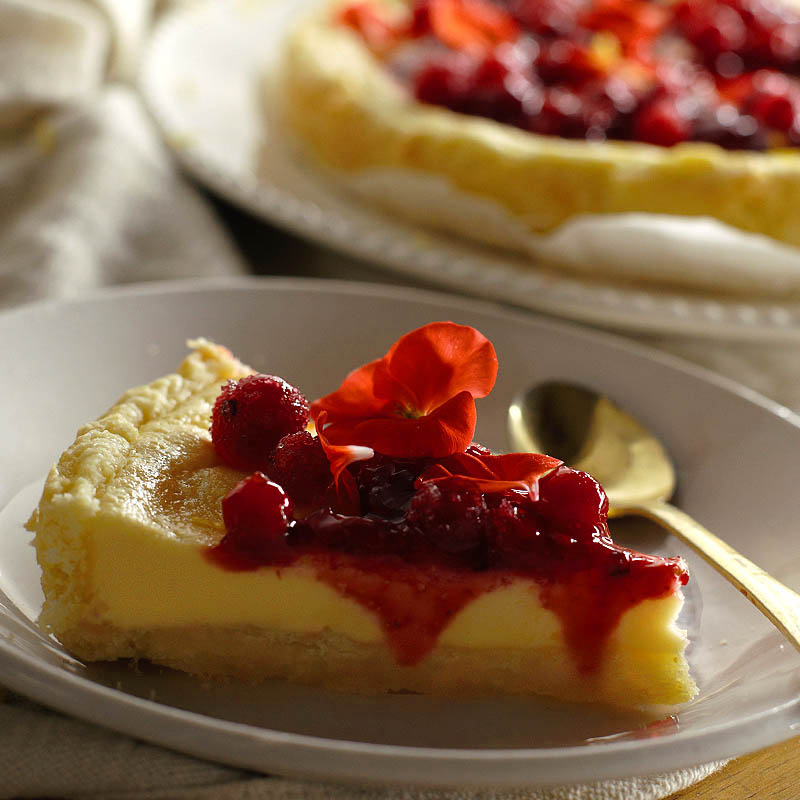
Highly pigmented, reactive, and visually dominant — heat and acidity amplify their presence.
Red and crimson edible flowers carry dense pigments that respond strongly to both heat and acidity. Rather than fading, colour often intensifies or deepens, moving toward wine or garnet tones. This makes them effective in syrups, reductions, beverages, and bold preparations where colour and flavour are meant to lead. Because their presence is assertive, timing and proportion matter more than protection.
Orange edible flowers
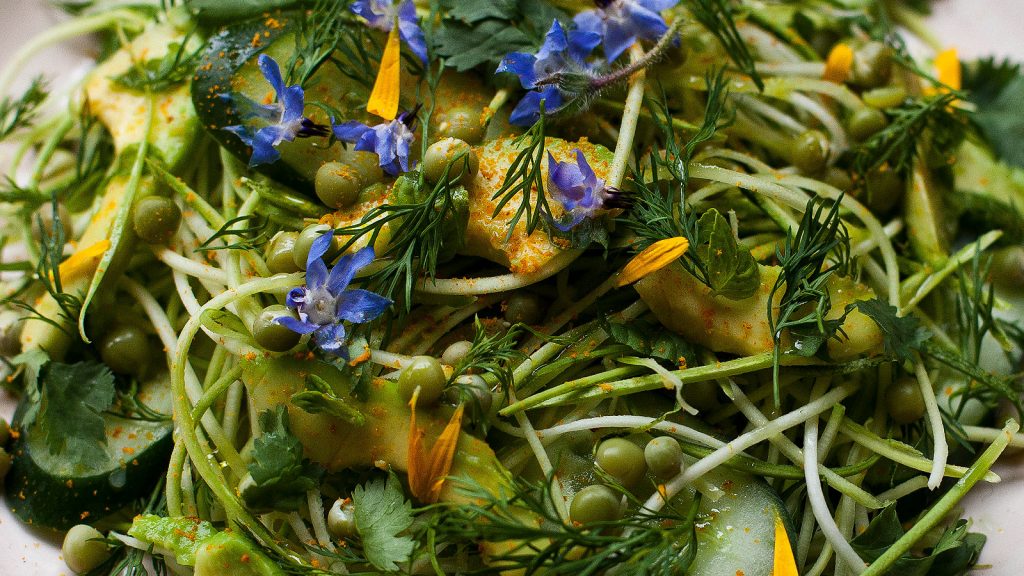
Warm, stable, and visually reliable — pigments that hold through use.
Orange edible flowers provide dependable colour. Their carotenoid pigments tolerate heat and fat well, retaining saturation through baking, frying, and infusion. When used fresh, these flowers are rarely fragile. Even added raw, their colour remains legible against oils, acids, and mixing, making them suitable for salads and cold dishes as well as cooked preparations.
Yellow edible flowers
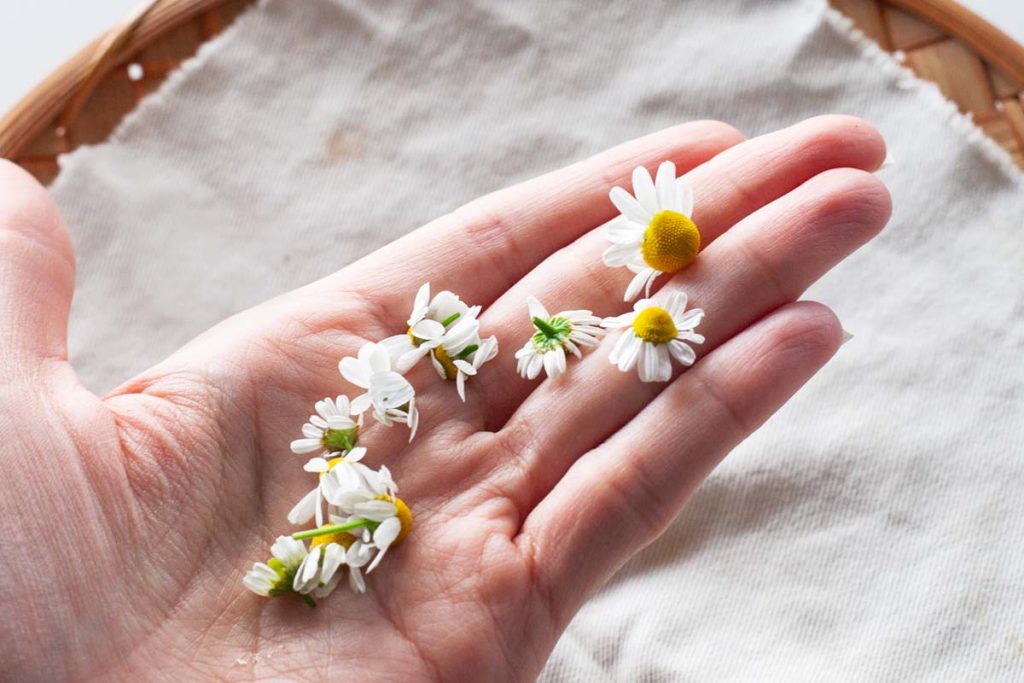
Versatile, reliable, and easy to place early in cooking.
Yellow edible flowers can be added at the beginning of a preparation without compromising colour. Their pigments disperse well in fats and liquids and remain legible through longer cooking times. This makes them practical in doughs, batters, broths, and infused fats, where colour is meant to be present throughout rather than applied at the end. Their flavour profile is usually mild, slightly bitter, and compatible with both sweet and savoury dishes.
White edible flowers
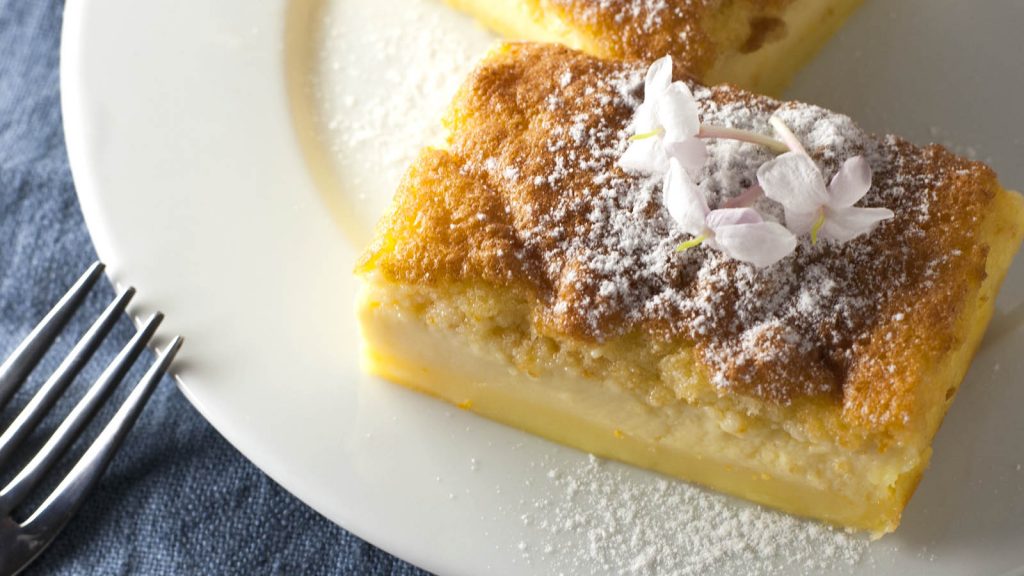
Visually restrained, aromatically dominant — timing matters more than colour.
White edible flowers contribute little through pigment but rely on volatile aromatic compounds that are sensitive to heat and time. Colour remains neutral regardless of preparation, while fragrance diminishes quickly if overcooked. For this reason, they perform best in cold infusions, brief warm steeping, or late-stage additions, where aroma stays legible and precise. Their role on the plate is atmospheric rather than visual.
Closing note
Seen through colour, edible flowers become easier to place. Pigments hint at stability, intensity, and timing, offering practical cues without turning cooking into a system. Used this way, colour remains a guide rather than a rule — one more tool for working with flowers attentively, and with confidence, in the kitchen.