Common Name: Jasmine
Scientific Name: Jasminum spp. (notably Jasminum sambac, Jasminum grandiflorum, Jasminum officinale)
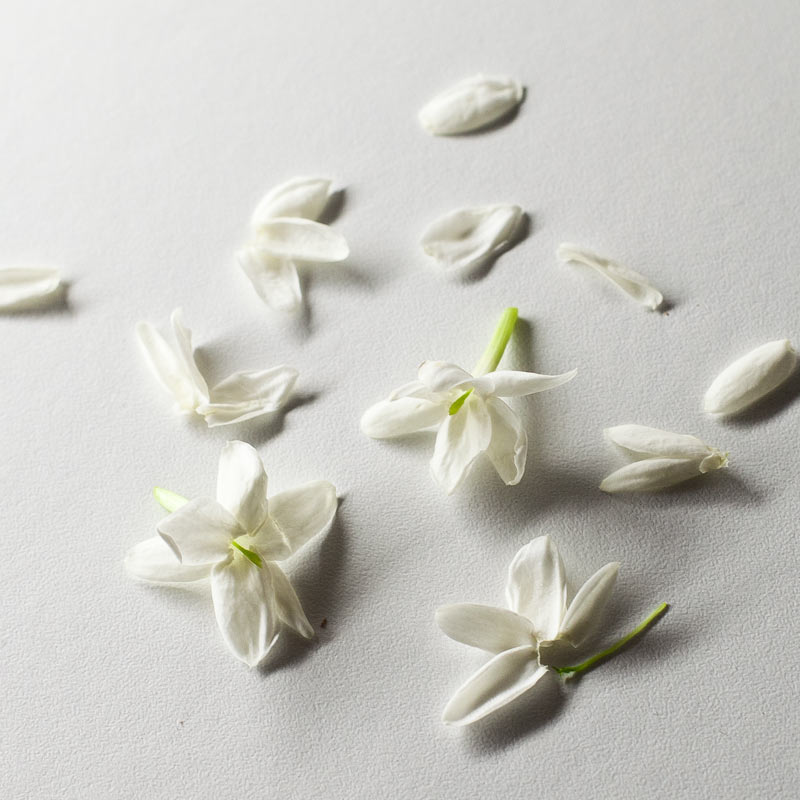
Highly aromatic flower used sparingly to perfume teas, syrups, and desserts, prized for its intense fragrance rather than for texture or volume.
Culinary Uses
Preparations:
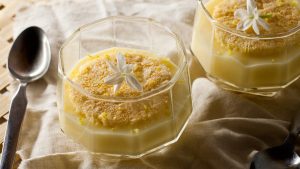
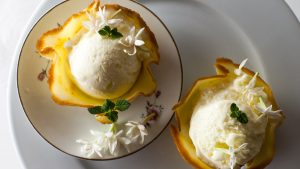
Most commonly used to scent teas, syrups, sugars, creams, custards, rice, and chilled desserts. Fresh blossoms are gently infused rather than cooked, allowing aroma to transfer without bitterness, while dried jasmine buds are traditionally used in tea blending and long infusions.
Pairings:
Pairs well with milk, cream, rice, coconut, almond, honey, vanilla, pear, peach, citrus peel, lychee, and delicate white fruits. Also complements green and white teas.
Kitchen Note:
Jasmine unfolds slowly. Fresh blossoms can be left to rest overnight in milk, cream, or syrup, allowing the aroma to migrate gently without turning bitter. This patient infusion captures its floral depth more faithfully than heat, producing a fragrance that feels rounded, soft, and fully awake by morning.
Historical & Cultural Notes
Jasmine has been cultivated for fragrance and flavour across Asia, the Middle East, and the Mediterranean for centuries. In China, jasmine flowers have long been used to scent tea leaves through repeated layering and resting. In South and Southeast Asia, Jasminum sambac appears in both culinary and ceremonial contexts, valued for its depth and persistence.
The name Jasminum traces back through Latin and Persian roots, linked to concepts of fragrance and gift rather than color or form. Across cultures, jasmine has symbolized hospitality, sensuality, and refinement — less decorative than atmospheric.
Sensory Profile
Sight: Small, star-like blossoms, often gathered in clusters; luminous against dark foliage.
Touch: Firm and waxy when fresh; fragile and papery when dried.
Smell: Headily floral, narcotic yet clean; creamy in sambac, green and airy in grandiflorum.
Taste: Subtle and aromatic rather than overtly floral, with a faint bitterness if pushed too far.
Botanical Note
Only a small number of jasmine species are traditionally used in culinary contexts.
The primary edible jasmines belong to the Jasminum genus — most notably Jasminum sambac and Jasminum grandiflorum, valued for their clean, sweet, and tea-compatible aroma.
Several plants commonly known as “jasmine” are not true jasmines at all. So-called false jasmines, such as Trachelospermum jasminoides (star jasmine), belong to different botanical families and are cultivated purely for fragrance; their flowers are not considered edible and should not be used in food preparations.
Fun Fact
Jasmine tea is not flavored with extracts: the scent is traditionally transferred by layering fresh blossoms with tea leaves overnight, a process repeated multiple times until aroma and leaf are inseparable.